
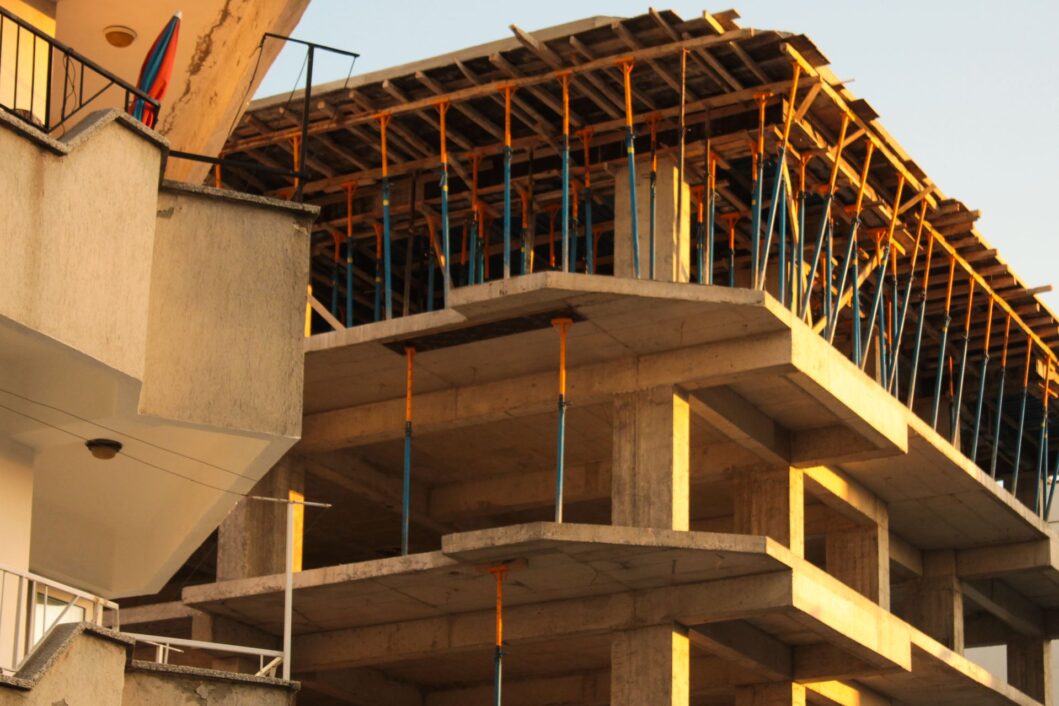
Real estate development plays a vital role in shaping communities, driving economic activity, and improving quality of life. When approached strategically, real estate development does far more than create buildings—it creates opportunities for sustainable growth, stronger neighborhoods, and long-term community advancement. Strategic real estate development focuses on thoughtful planning, market awareness, and community needs, ensuring projects deliver lasting value for both investors and residents.
Building Stronger Communities Through Thoughtful Planning
Strategic real estate development begins with careful planning. Successful developers evaluate market trends, infrastructure needs, population growth, and community priorities before launching projects. This thoughtful approach ensures developments align with both current demand and long-term community goals.
Well-planned residential and commercial projects can improve accessibility, enhance neighborhood appeal, and create spaces that better serve local populations. Whether developing housing, retail centers, or mixed-use properties, strategic planning helps ensure each project contributes positively to the surrounding area.
Strong planning lays the foundation for sustainable growth and long-term success.
Driving Economic Growth and Job Creation
Real estate development has a direct impact on local economies. Construction projects create jobs for contractors, engineers, suppliers, and service providers, while completed developments generate ongoing economic activity.
New residential communities increase demand for local businesses, schools, and services. Commercial developments attract businesses, stimulate investment, and create long-term employment opportunities. These economic benefits help strengthen communities and improve overall financial stability.
Strategic development acts as a catalyst for growth by encouraging investment and expanding local economic opportunities.
Improving Quality of Life
High-quality real estate development contributes significantly to the well-being of communities. Safe housing, functional commercial spaces, and well-maintained properties improve daily living experiences for residents and businesses alike.
Developments that prioritize convenience, accessibility, and community needs help create environments where people can live, work, and thrive. Features such as green spaces, modern infrastructure, and efficient design further enhance quality of life.
When development focuses on long-term value rather than short-term gains, communities benefit in meaningful ways.
Supporting Long-Term Sustainability
Sustainable development has become increasingly important in modern real estate. Strategic developers recognize the value of building properties that can adapt to future needs and changing market conditions.
This includes responsible land use, energy-efficient design, and investments in durable infrastructure. Sustainable development reduces long-term costs while supporting environmental and community health.
Conclusion
Strategic real estate development is a powerful driver of long-term community growth. By combining thoughtful planning, economic investment, quality development, and sustainability, real estate projects can create lasting benefits for communities. When done effectively, development becomes more than a business opportunity—it becomes a meaningful force for positive and lasting change.
About the Author
