
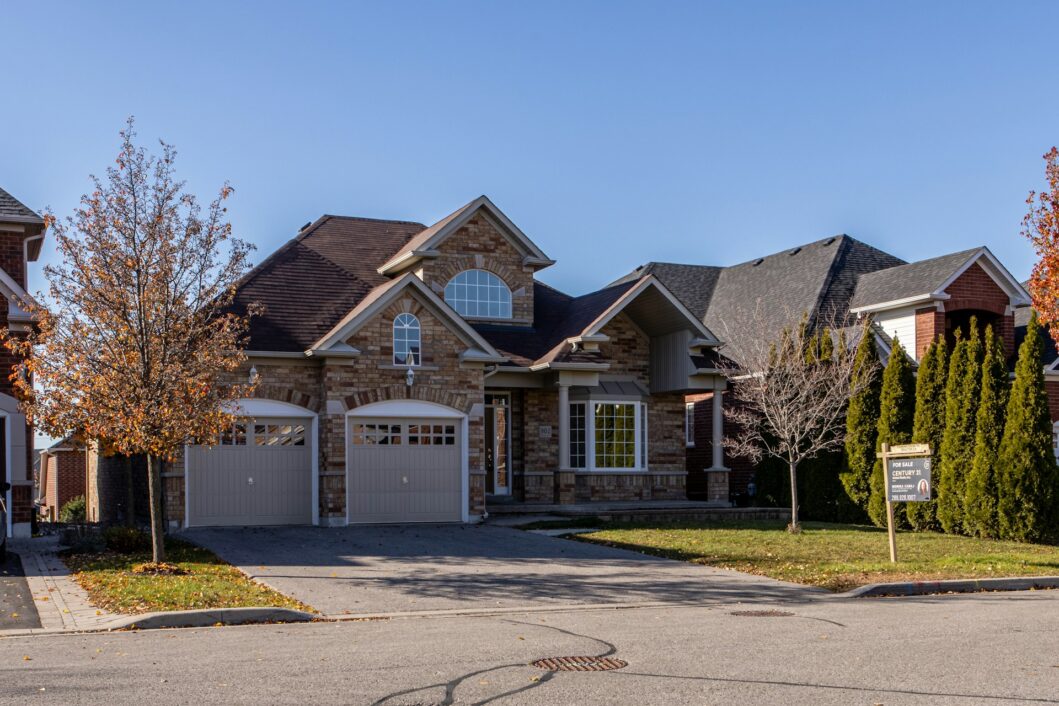
Turning Capital into Community Growth
Real estate investment is often viewed through a financial lens, but its true potential extends far beyond profit. When guided with vision and responsibility, property development becomes a powerful tool for community transformation. Experienced professionals like Gary Johnson demonstrate how strategic investments can create lasting social and economic value, turning underdeveloped areas into thriving neighborhoods.
Revitalizing Neighborhoods Through Development
One of the most visible impacts of real estate investment is neighborhood revitalization. Vacant lots, aging buildings, and underutilized spaces can be transformed into modern residential and commercial developments. These improvements not only enhance the physical landscape but also increase property values and attract new businesses. As a result, communities experience renewed economic activity and improved quality of life for residents.
Creating Housing and Economic Opportunities
Real estate development plays a critical role in addressing housing demand and generating employment opportunities. New housing projects provide families with safe and comfortable living spaces, while construction and maintenance work create jobs for local workers. Additionally, commercial developments support small businesses, encouraging entrepreneurship and stimulating local economies. This cycle of growth benefits both investors and the broader community.
Supporting Infrastructure and Local Services
Beyond buildings, real estate investment often contributes to stronger infrastructure. Developers may support improvements in roads, utilities, public spaces, and transportation access. These enhancements make communities more connected and livable. In many cases, responsible development also encourages further investment from public and private sectors, accelerating overall regional growth.
The Importance of Sustainable Development
Modern real estate transformation increasingly emphasizes sustainability. Environmentally conscious building practices, energy-efficient designs, and green spaces are becoming essential components of new developments. Sustainable projects not only reduce environmental impact but also ensure long-term affordability and livability for residents. This approach helps communities thrive well into the future.
Community Engagement and Social Responsibility
Successful transformation requires more than construction—it requires engagement. Developers who actively collaborate with local residents, businesses, and organizations can better understand community needs and tailor projects accordingly. This inclusive approach fosters trust and ensures that development aligns with the interests of those who live in the area.
Conclusion
Real estate has the power to do far more than generate financial returns—it can reshape entire communities. When investment is guided by purpose and responsibility, it leads to meaningful transformation. As demonstrated by professionals like Gary Johnson, the journey from investment to impact is built on vision, planning, and a commitment to improving lives through thoughtful development.
About the Author
