
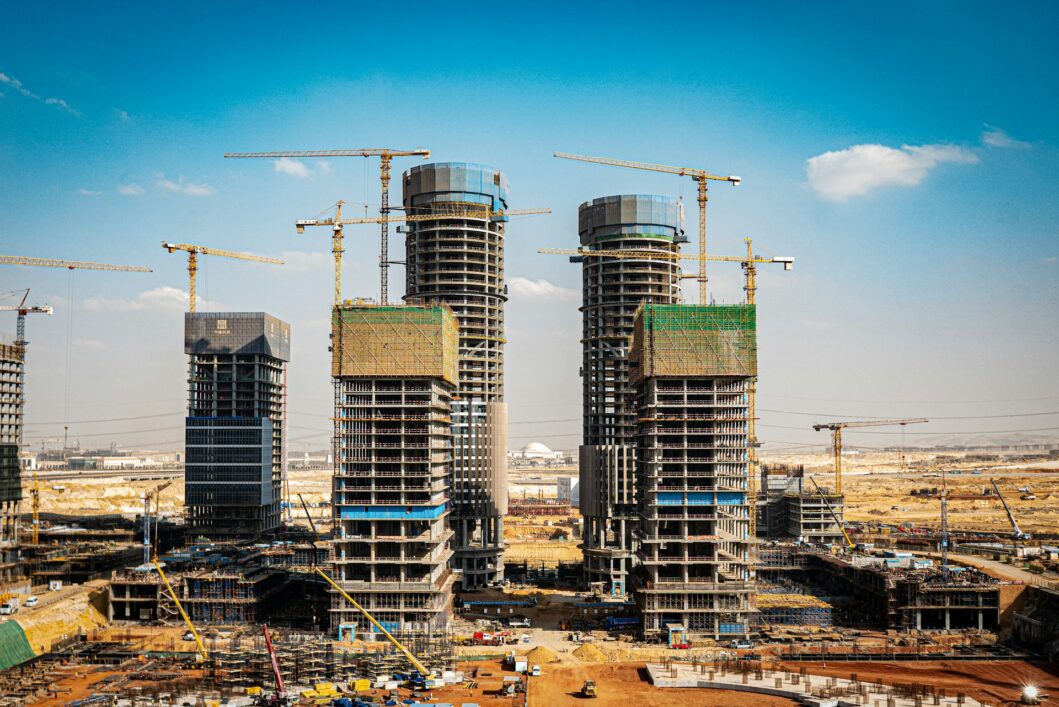
Property development and long-term investment are often viewed as separate strategies — one focused on active value creation and the other on passive wealth preservation. However, when combined correctly, they form a powerful approach that maximizes both short-term returns and long-term financial stability.
Understand the Role of Each Strategy
Property development is about creating value through construction, renovation, rezoning, or repositioning. It is active, time-intensive, and carries higher risk — but also higher reward. Long-term investment, on the other hand, focuses on stable income and appreciation over time through rental yield and capital growth. The key is to use development as a value-creation engine and long-term holding as a wealth-building vehicle.
Develop with the End Goal in Mind
Successful investors plan every development project with long-term ownership in mind. This means choosing locations with strong fundamentals such as population growth, infrastructure investment, employment hubs, and lifestyle appeal. Design decisions should favor durability, low maintenance, energy efficiency, and tenant desirability — not just resale appeal.
By building assets that are attractive to tenants and resilient to market shifts, developers create properties that perform well long after construction is complete.
Structure Financing Strategically
Combining development and investment requires thoughtful financial planning. Development financing is usually short-term and higher-cost, while investment financing is long-term and lower-cost. Smart investors transition from construction loans to long-term mortgages once the project is stabilized and leased.
This refinancing approach allows capital to be recycled into new projects while retaining ownership of income-generating assets.
Focus on Cash Flow Stability
Long-term success depends on consistent cash flow. This means setting realistic rent expectations, minimizing vacancy through good property management, and controlling operating costs. Development profits should not be the sole driver of business sustainability — rental income should cover debt, expenses, and provide surplus for future growth.
Manage Risk Through Diversification and Timing
Not every project should be a development, and not every asset should be held forever. Market conditions, interest rates, and local demand should guide decisions on when to build, hold, sell, or refinance. Diversifying across property types and locations reduces exposure to localized downturns.
Build Systems and Partnerships
Combining these strategies requires strong systems and reliable partners — from architects and contractors to property managers and financial advisors. Delegation and expertise improve execution quality and reduce costly mistakes.
Conclusion
Successfully combining property development with long-term investment is about aligning short-term action with long-term vision. By developing high-quality assets, financing them wisely, and managing them professionally, investors can build a portfolio that delivers both immediate value and lasting wealth.
About the Author
